
Honda vs Yamaha Bikes in India 2025: Which is Better?
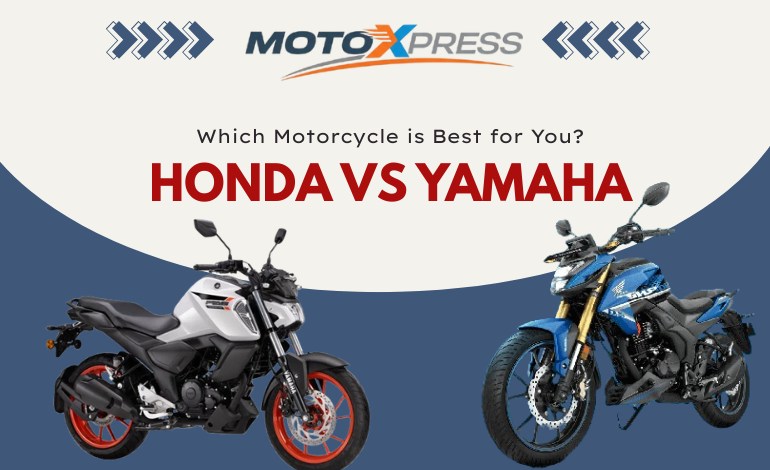

Choosing the right motorcycle brand is a key decision for Indian riders, and Honda and Yamaha are two of the most trusted names in the market. This blog compares Honda and Yamaha motorcycles, their features, pricing, and how government regulations affect both brands in India in 2025. Whether buying a first bike or upgrading, this detailed comparison will help Indian buyers make an informed choice.
Brand Overview: Honda vs Yamaha in India
Honda motorcycles are known for their reliability, fuel efficiency, and user-friendly performance, making them a popular choice among commuters and first-time buyers. Yamaha, on the other hand, is recognized for sporty styling, advanced technology, and performance-oriented models appealing to younger riders and enthusiasts.
Popular Models and Price Range
| Brand | Popular Models | Engine Range | Price Range (INR) | Typical Buyers |
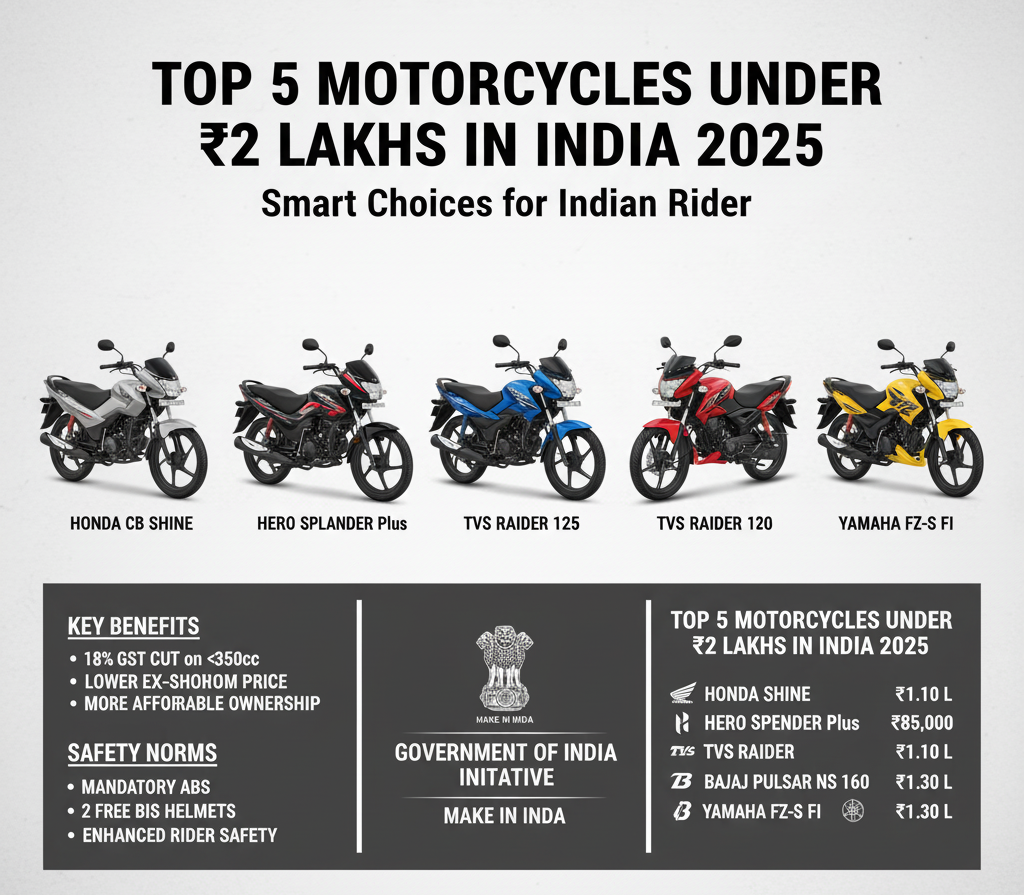
| Honda | CB Shine, Activa, Livo, Hornet 2.0 | 110cc – 160cc | ₹75,000 – ₹1.50 lakh | Commuters, beginners, daily riders |
| Yamaha | FZ-S FI, FZ-X, R15, Fascino | 125cc – 150cc | ₹90,000 – ₹1.60 lakh | Performance seekers, youth segment |
Prices typically include GST and vary across states due to local taxes and dealer charges.
Performance and Fuel Efficiency
- Honda bikes generally provide excellent mileage due to focus on efficient engines; models like CB Shine offer around 60 kmpl, and Activa scooters deliver nearly 50 kmpl.
- Yamaha motorcycles emphasize power and sporty handling with fuel-injection technology; mileage slightly varies but stays competitive near 45-50 kmpl.
Government Regulations Impacting Both Brands
GST and Pricing
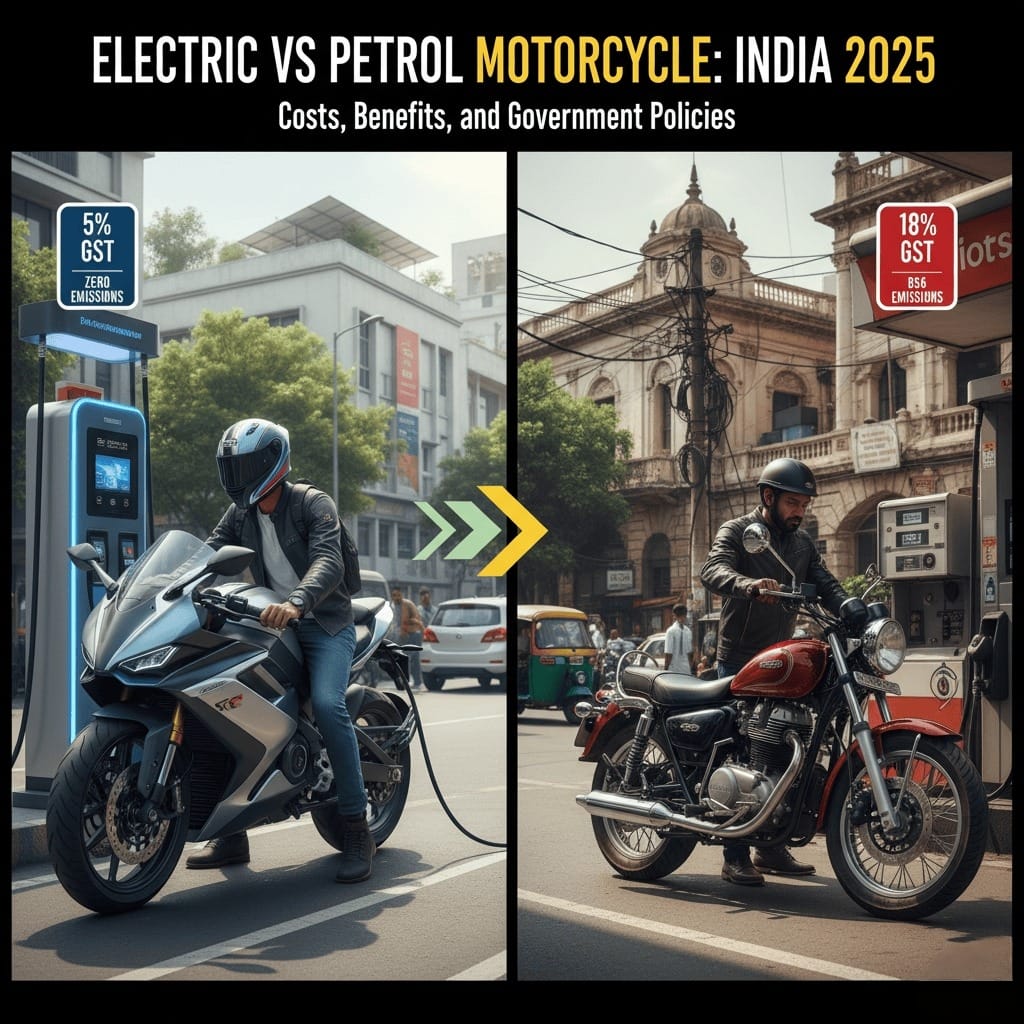
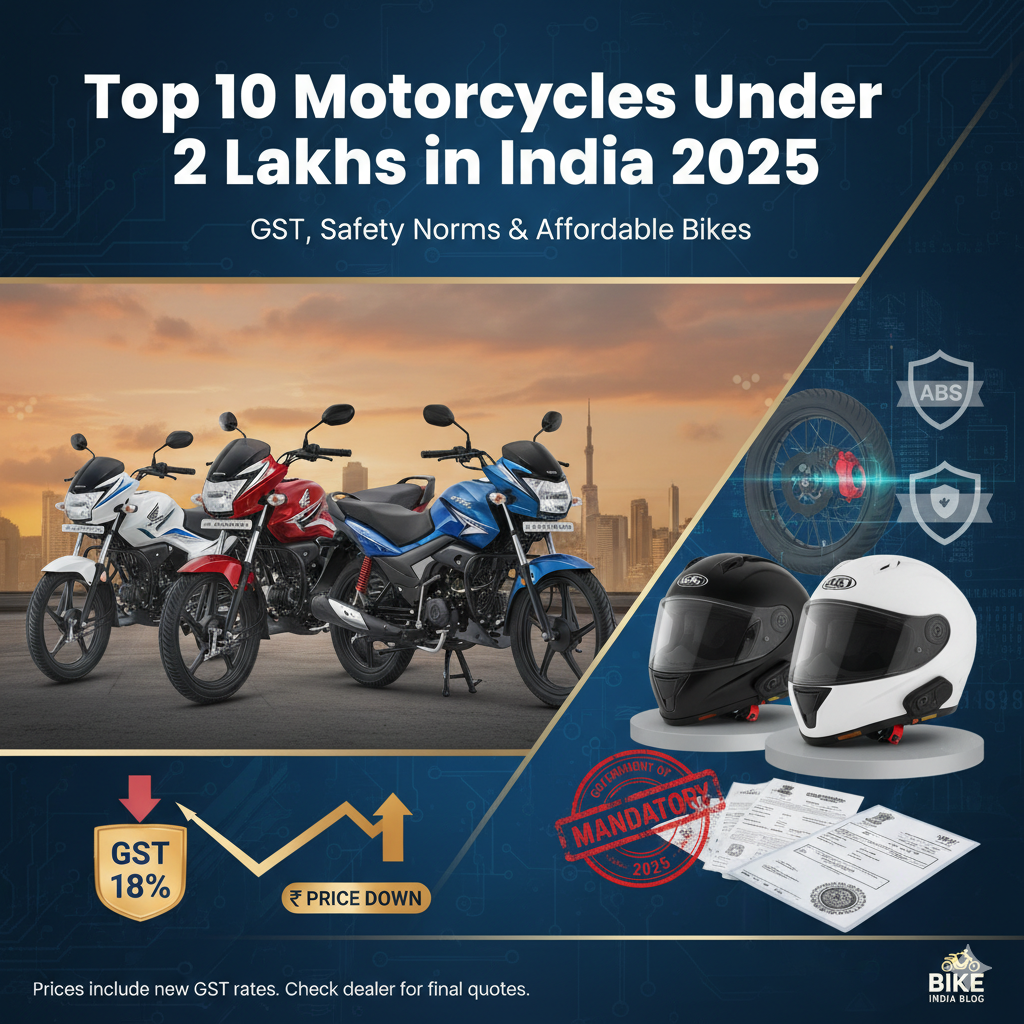
In 2025, GST reductions on motorcycles up to 350cc from 28% to 18% have lowered prices across both brands’ popular commuter and mid-range models. This tax cut has made bikes like Honda CB Shine and Yamaha FZ-S FI more affordable for average Indian buyers.
Safety Norms
- From January 2026, ABS (Anti-lock Braking System) is mandatory for all two-wheelers sold in India regardless of engine size. Both Honda and Yamaha comply by integrating ABS or CBS (Combined Braking System) in their new models.
- Dealerships must provide two BIS-certified helmets with every bike sold, adding value and increasing rider safety.
Environmental Compliance
Both companies meet the latest BS6 emission norms, ensuring lower pollution and eligibility for state subsidies in some regions.
After-Sales Service and Spare Parts
Honda has an extensive service network in India, offering affordable maintenance and widely available spare parts, positively impacting long-term ownership costs. Yamaha’s service network is growing rapidly with competitive pricing but slightly less extensive coverage in rural locations.
Which Brand Should Indian Buyers Choose?
- Choose Honda if prioritizing fuel efficiency, reliable daily commuting, low maintenance, and extensive service availability.
- Opt for Yamaha if favoring sportier designs, advanced features like fuel injection, and brand appeal among younger riders.
Conclusion
Both Honda and Yamaha offer excellent motorcycles aligned with Indian buyers’ needs in 2025, supported by favorable GST rates and government safety regulations. Your choice depends on budget, riding preferences, and desired style. Comparing specific models on features, price, and availability in your city can help finalize the right bike.
Stay connected with our blog for updated comparisons, government policy changes, launch news, and expert reviews tailored for the Indian motorcycle market in 2025!