


What Are the Future Trends in Two-Wheeler Pricing Post-GST?

The implementation of the Goods and Services Tax (GST) has brought significant changes across industries in India, and the two-wheeler segment is no exception. With GST replacing the complex structure of multiple indirect taxes, the pricing landscape of scooters, motorcycles, and electric bikes has evolved. But what does the future hold? In this blog, we’ll explore future trends in two-wheeler pricing post-GST and what consumers and manufacturers can expect going forward.
Understanding GST’s Impact on Two-Wheeler Prices
Before GST, the tax structure for two-wheelers included excise duty, VAT, and various state-level taxes, which often varied from one region to another. This led to inconsistent pricing across India. Post-GST, all two-wheelers (excluding electric vehicles) are taxed at a flat 28%, along with an additional cess of 1-3% for bikes above 350cc.
Initially, this standardization benefited the industry with more transparency and price stability. However, it also meant that entry-level models which were earlier taxed at a lower rate witnessed a marginal price increase, while premium motorcycles saw little to no change or minor relief.
Future Trends in Two-Wheeler Pricing After GST
1. Rise of Electric Two-Wheelers
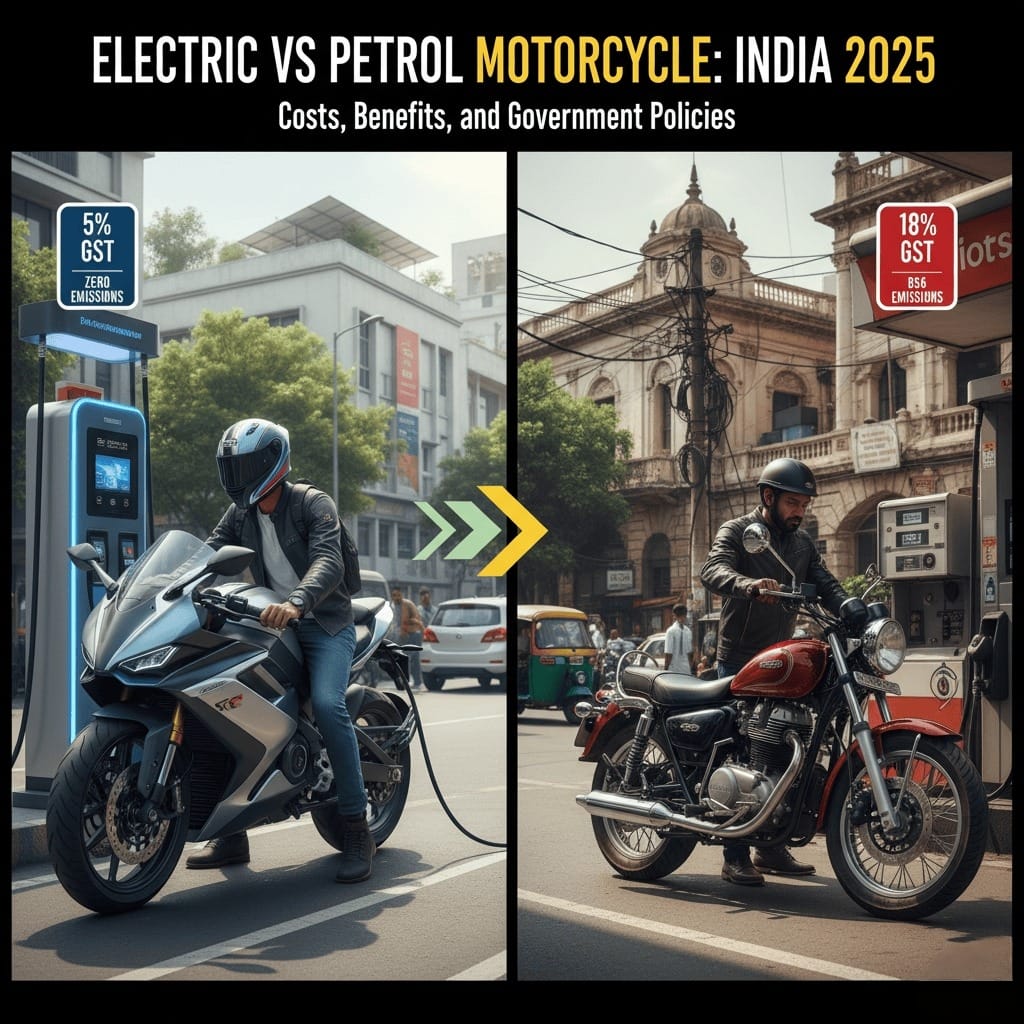
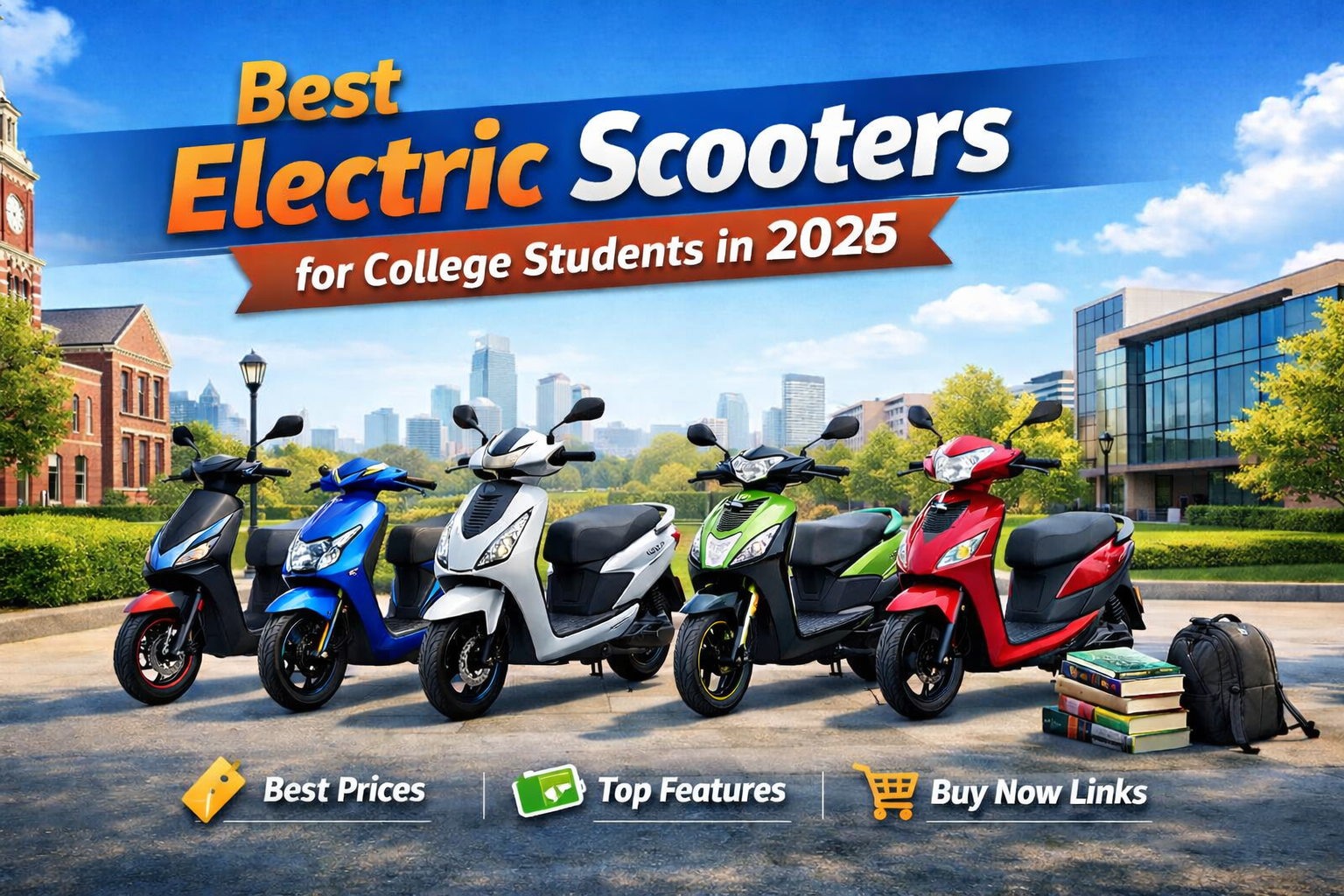
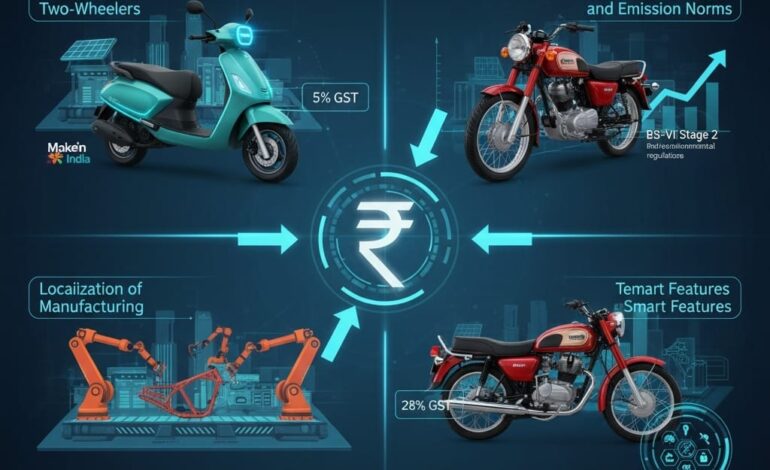
One of the most significant shifts in two-wheeler pricing will come from the growth of electric vehicles (EVs). Currently, electric two-wheelers enjoy a much lower GST rate of 5%, which makes them a cost-effective option for buyers. With increasing government subsidies and rising fuel prices, we can expect more affordable EV models and aggressive pricing strategies by manufacturers.
Trend Insight: Expect a price gap to widen between electric and petrol two-wheelers, further pushing EV adoption.
2. Localization of Manufacturing
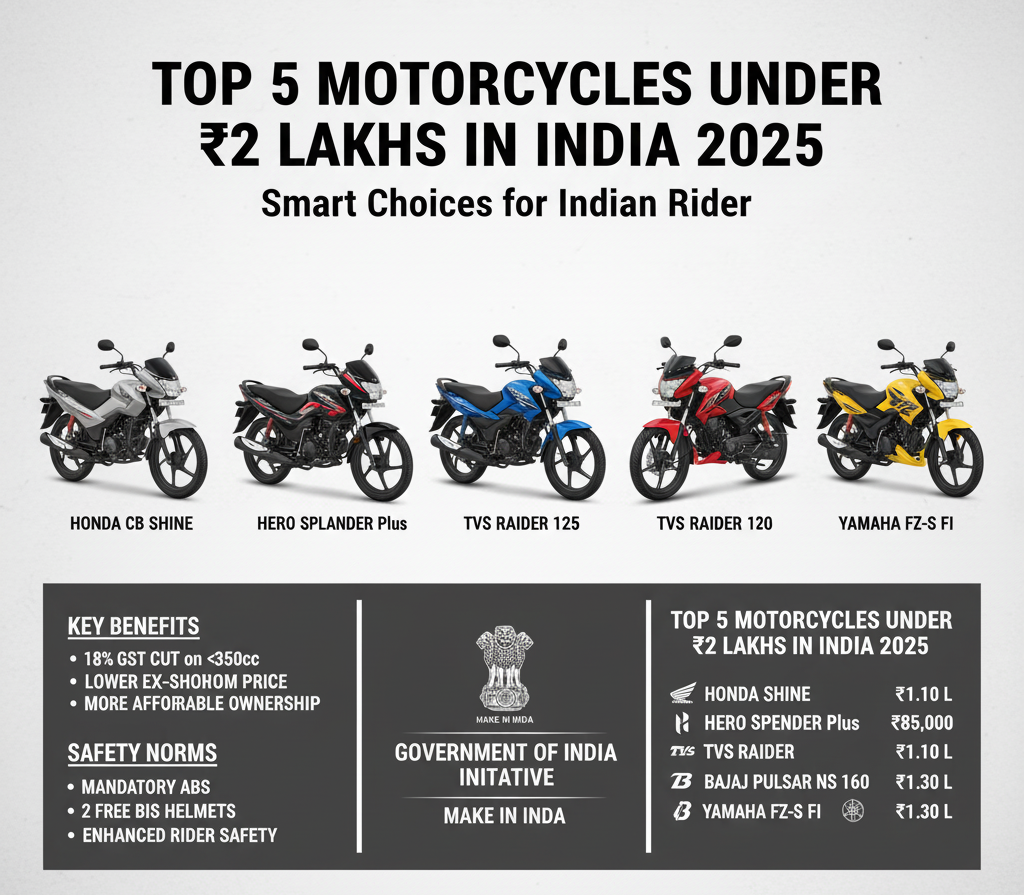
To reduce dependence on imports and cut costs, several two-wheeler manufacturers are investing in local production. The “Make in India” initiative and PLI (Production-Linked Incentive) schemes are likely to reduce production costs, which may translate to more competitive pricing for consumers.
Trend Insight: Enhanced localization will likely stabilize or lower prices, especially in the mid-range segment.
3. Technology Integration and Smart Features
Modern two-wheelers now come equipped with Bluetooth connectivity, navigation, anti-theft alerts, and digital consoles. While these features improve the user experience, they also increase production costs. However, as technology becomes more mainstream, the cost of smart features is expected to decrease, making them standard even in budget models.
Trend Insight: Expect feature-rich bikes at affordable prices in the coming years.
4. Regulatory Changes and Emission Norms
Future compliance with BS-VI Stage 2 norms and potential new environmental regulations may lead to higher prices for internal combustion engine (ICE) two-wheelers. Manufacturers will need to invest more in R&D and engine upgrades to meet these standards.
Trend Insight: A gradual price increase in petrol-based two-wheelers is expected due to regulatory pressure.
Final Thoughts
Post-GST, the two-wheeler industry has moved towards greater pricing transparency and consistency. Looking ahead, factors like electric mobility, government incentives, and tech innovation will reshape how two-wheelers are priced in India. For consumers, this means more options, smarter features, and environmentally friendly models all at competitive prices.
Stay tuned to this space for more updates on two-wheeler trends, GST impact, and smart buying tips!